
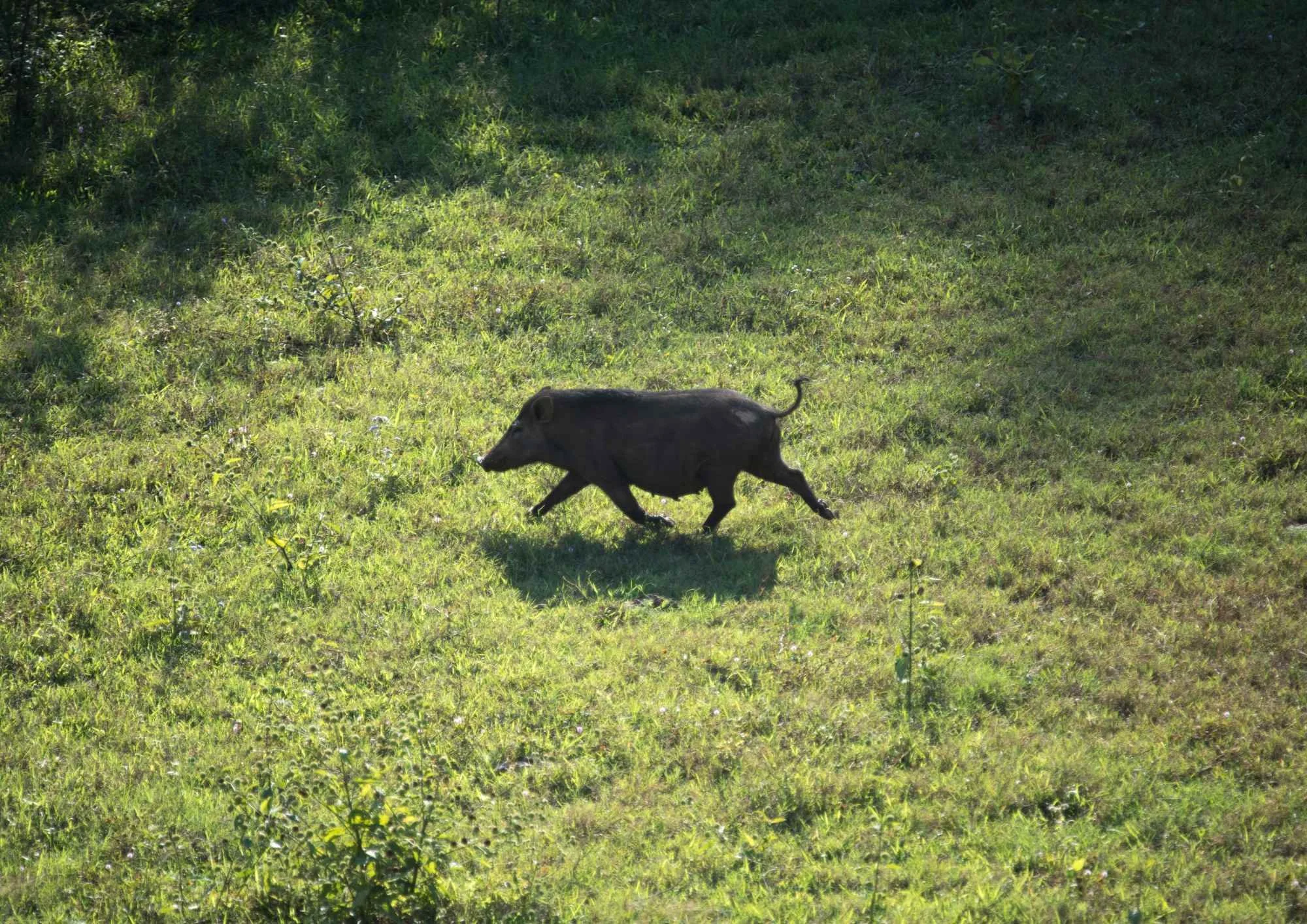
Feral Pig Control Services in the North Island, New Zealand
Professional feral pig control services in the North Island of New Zealand are essential for protecting farmland, forestry blocks, waterways, and conservation areas. Feral pigs are one of the most destructive invasive pests in New Zealand, causing extensive environmental damage, pasture loss, and biosecurity risks across rural regions.
Pig populations are widespread throughout the North Island, with particularly severe impacts in forestry areas, hill country farms, river catchments, and native bush margins. Without effective management, feral pigs rapidly degrade land and undermine farming and conservation efforts.
Ground Damage and Pasture Destruction
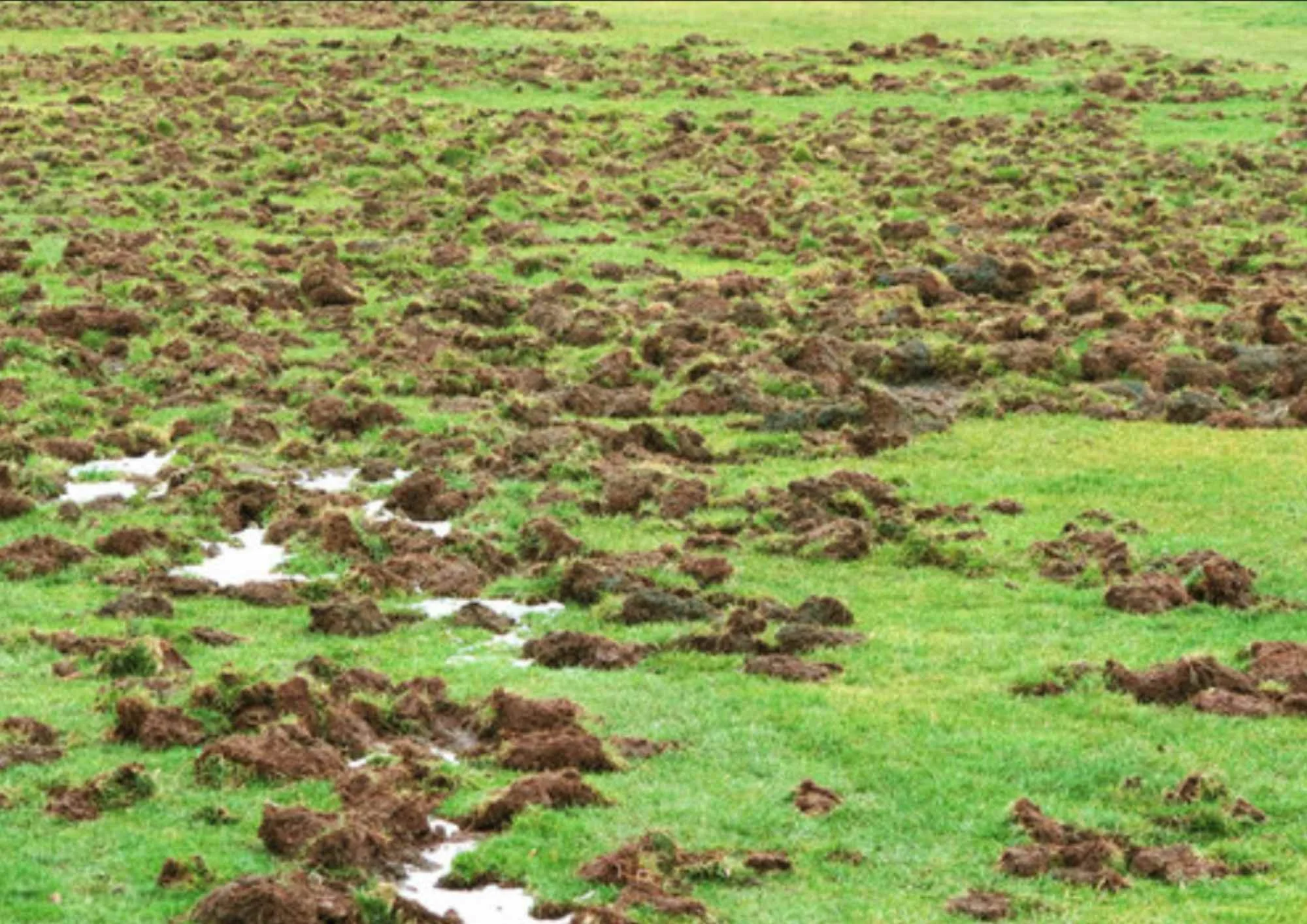
Feral pigs are notorious for their rooting behaviour. They dig up pasture, crops, riverbanks, wetlands, and forest floors in search of food. This rooting causes widespread soil disturbance, erosion, and pasture loss, often rendering paddocks unusable until repaired.
On farms, this damage reduces grazing availability, increases regrassing costs, and creates hazards for livestock. In forestry blocks and regenerating areas, pig rooting destroys seedlings and undermines planting programmes, particularly in Central North Island forestry regions
Pigs cause significant losses to crops, silage paddocks, orchards, and market gardens. They consume root crops, maize, vegetables, and fruit, often causing damage far beyond what they eat.
Feral pigs also pose a serious biosecurity risk. They can carry and spread diseases that threaten livestock, including tuberculosis and other pathogens, increasing risk to cattle, sheep, and deer operations. Their movement across multiple properties makes unmanaged populations particularly problematic.
Crop Loss and Biosecurity Risk
In native bush and conservation areas, pigs destroy understory vegetation, disturb forest soils, and prey on native species. They eat invertebrates, reptiles, bird eggs, and ground-nesting birds, contributing to biodiversity decline.
Pig damage is especially visible along river systems, wetlands, and forest margins, where soil disturbance leads to erosion, sediment runoff, and degraded waterways.
Environmental and Biodiversity Impacts
Enviropests Approach to Feral Pig Control
We provide professional feral pig control services across the North Island using DOC-aligned, best-practice methods designed for effective, humane, and long-term population reduction.
Our pig control strategies include:
Ground shooting
Thermal and day/night shooting
dogs to locate pigs in dense cover
Strategic trapping, particularly in high-traffic areas
Ongoing monitoring and maintenance
Working Across Large-Scale and Remote Terrain
Feral pig control often requires access to rugged, remote terrain. We operate across forestry blocks, hill country, river catchments, and bush using quad bikes, side-by-sides, and on foot, ensuring thorough coverage of affected areas.
Long-Term Pig Management
Successful pig control requires ongoing effort. By implementing systematic control programmes, landowners can reduce reinvasion, protect pasture and waterways, and safeguard long-term land productivity.
Professional feral pig control in the North Island is a critical investment for farms, forestry operations, and conservation land.