
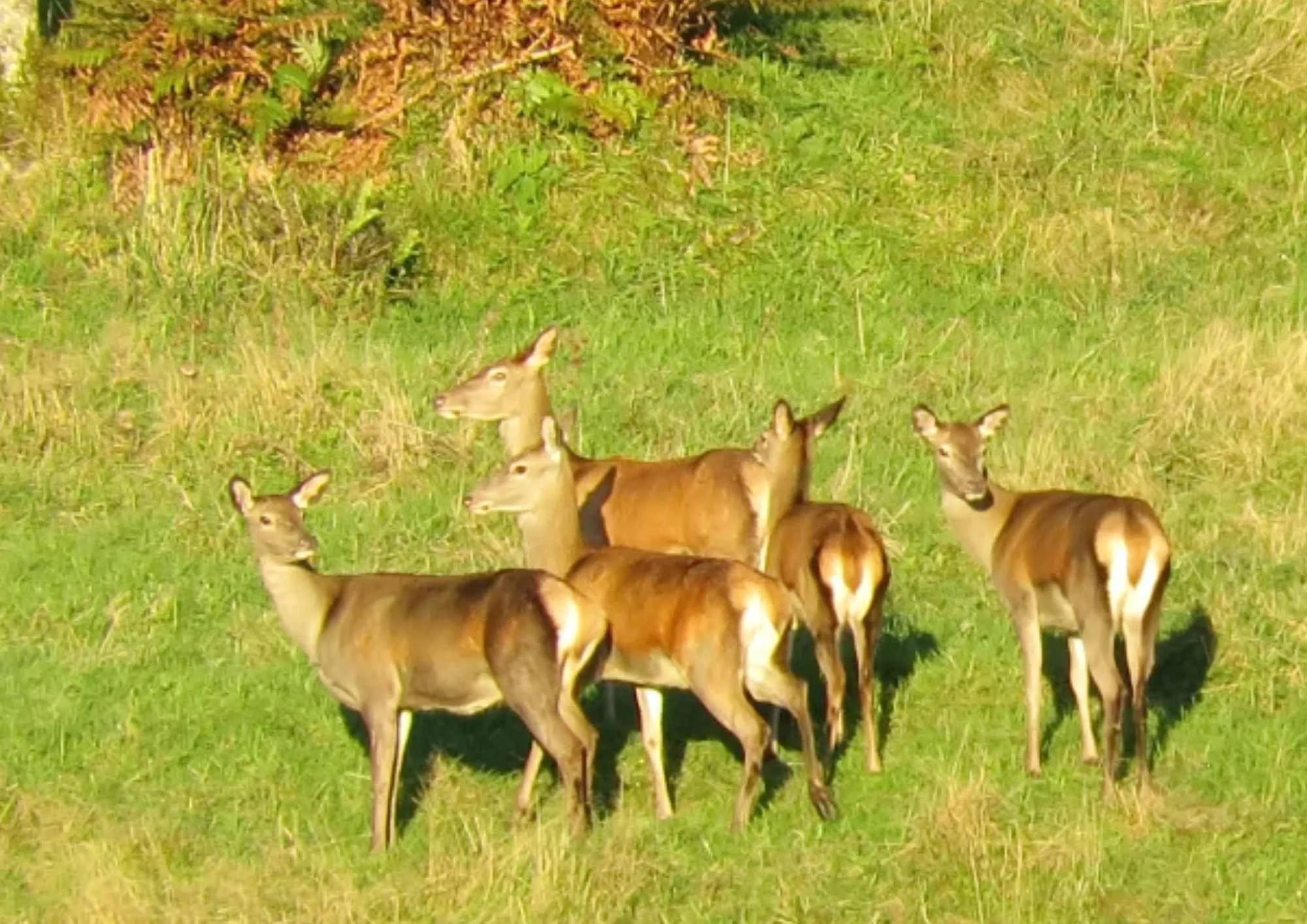
Feral Deer Control Services in the North Island, New Zealand
Professional feral deer control services in the North Island of New Zealand are essential for protecting farms, forestry investments, native forests, and conservation areas. While deer are valued in managed environments, feral deer populations pose a serious and growing problem across large areas of the North Island—particularly within Central North Island forestry regions.
Without effective management, feral deer cause widespread environmental damage, reduce farm productivity, and undermine long-term land use and conservation outcomes. Targeted, humane deer control is critical to reducing browsing pressure and restoring balance across affected landscapes.
Crop and Pasture Devastation caused by feral deer
Feral deer cause extensive damage to crops, pasture, and regenerating plantings. On farms, they graze heavily on productive pasture, directly competing with livestock for feed and reducing carrying capacity. This competition can result in lower stock performance, slower pasture recovery, and increased pressure during dry periods.
In regions such as the Central Plateau, Kaingaroa, Taupō, and surrounding rural districts, deer regularly move between forestry blocks, native bush, and farmland. This movement spreads damage across property boundaries, making coordinated and professional deer control especially important for neighbouring landowners.
For lifestyle blocks and mixed-use farms, feral deer can also destroy shelter belts, riparian planting, and newly established crops, undoing years of investment in land improvement.
One of the most significant impacts of feral deer is forest browsing pressure. Deer feed heavily on seedlings, saplings, and understory vegetation, preventing natural regeneration and altering forest structure over time.
This is a major issue for Central North Island forestry operations, where feral deer populations affect both exotic forestry and adjacent native forest remnants. Browsing pressure reduces survival rates of young trees, increases replanting costs, and compromises long-term forest productivity.
In native forest and conservation areas, deer browsing suppresses key species, simplifies forest structure, and limits the regeneration of canopy trees. Over time, this leads to weakened ecosystems that are less resilient to climate stress and invasive species.
Forest Browsing and Regeneration Failure
Competition With Livestock and Farm Productivity Loss
Feral deer directly compete with cattle, sheep, and deer farms for grazing. Their presence increases grazing pressure across paddocks and bush margins, reducing available feed and impacting overall farm efficiency.
In hill country and forestry-adjacent farmland throughout the Central North Island, Waikato fringes, and inland Bay of Plenty, this competition is a persistent issue. Effective deer control helps restore grazing balance and protects farm productivity.
Ecosystem Disruption and Biodiversity Impacts
Beyond economic damage, feral deer significantly disrupt ecosystems. By selectively browsing certain plant species, deer alter forest composition and reduce habitat quality for native birds, reptiles, and invertebrates.
Changes to understory vegetation affect nesting sites and food availability, contributing to broader biodiversity decline. In conservation areas, unmanaged deer populations can undermine pest control and restoration efforts, making professional deer management a critical component of landscape-scale conservation.
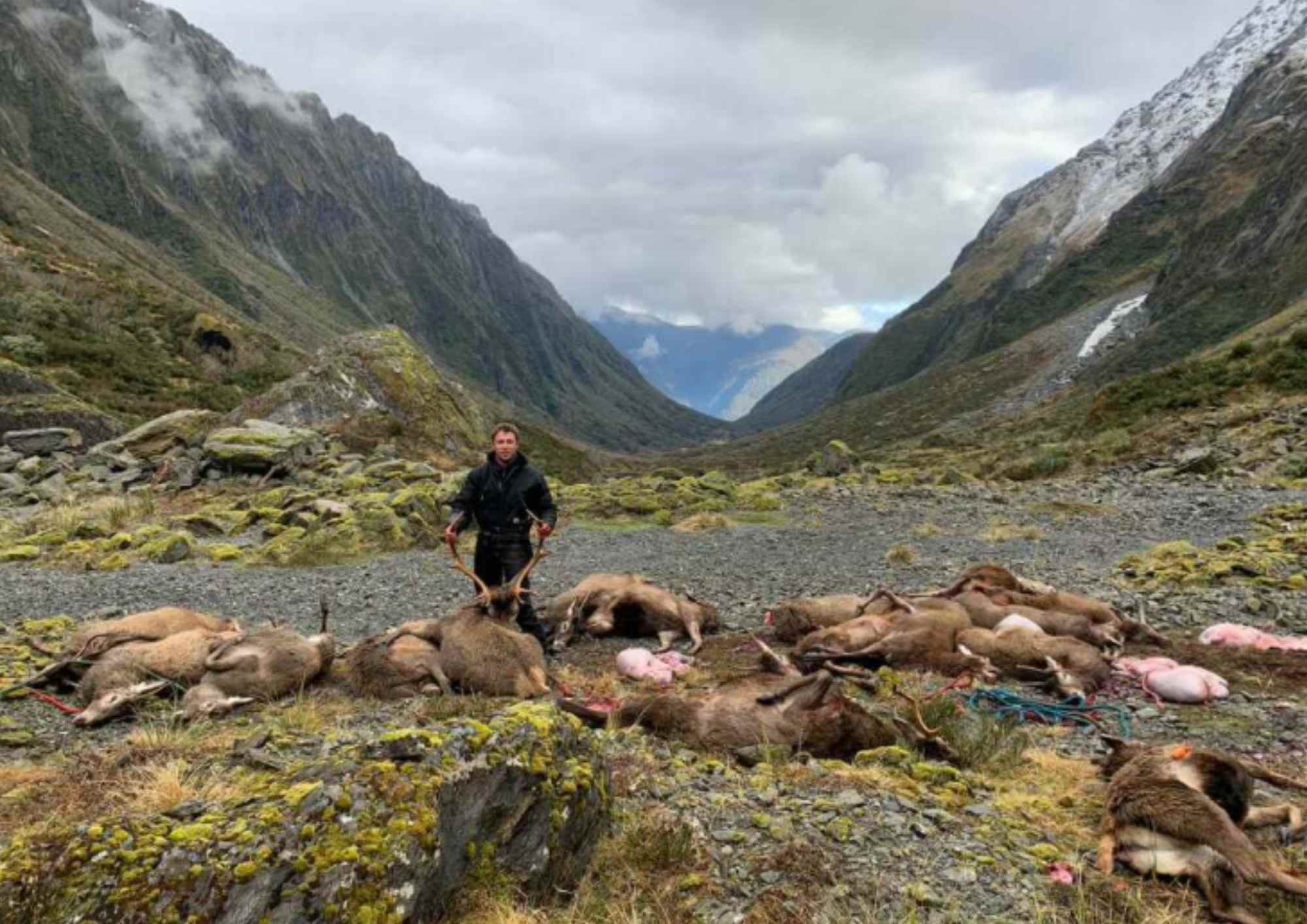
Enviropests Approach to Feral Deer Control in the North Island
We provide professional feral deer control services across the North Island, with a strong focus on Central North Island forestry and rural properties. Our experienced team delivers humane, effective deer management using proven, responsible methods aligned with best practice.
Our deer control services include:
Ground-based and aerial shooting
Thermal and daytime/night-time shooting for accurate targeting
Use of indicating dogs to locate and manage deer efficiently
Strategic control plans tailored to terrain, land use, and deer behaviour
We avoid the use of 1080 poison, prioritising targeted control methods that reduce risk to non-target species, stock, working dogs, and the wider environment.
Working Across Large-Scale and Remote Terrain
Feral deer control often requires access to challenging terrain. We operate effectively across large forestry blocks, steep hill country, and remote areas using a combination of ground and aerial methods. This ensures thorough coverage and sustained population reduction where deer pressure is highest.
Long-Term Deer Management for Farms and Forestry
Successful feral deer control is not a one-off operation. Long-term management is essential to prevent reinfestation and protect forestry, farming, and conservation investments. By implementing systematic, ongoing control, landowners and forestry managers can significantly reduce damage and restore ecological balance.
If you’re seeking professional feral deer control services in the North Island of New Zealand—particularly in Central North Island forestry regions—experienced, ethical deer management is one of the most effective steps you can take to protect your land, forests, and future productivity.